AI Companion with 3D Avatar: A Real Conversation
Expressive voice, animated avatar, conversation memory: discover what a real session with an AI companion featuring a 3D avatar actually looks like.
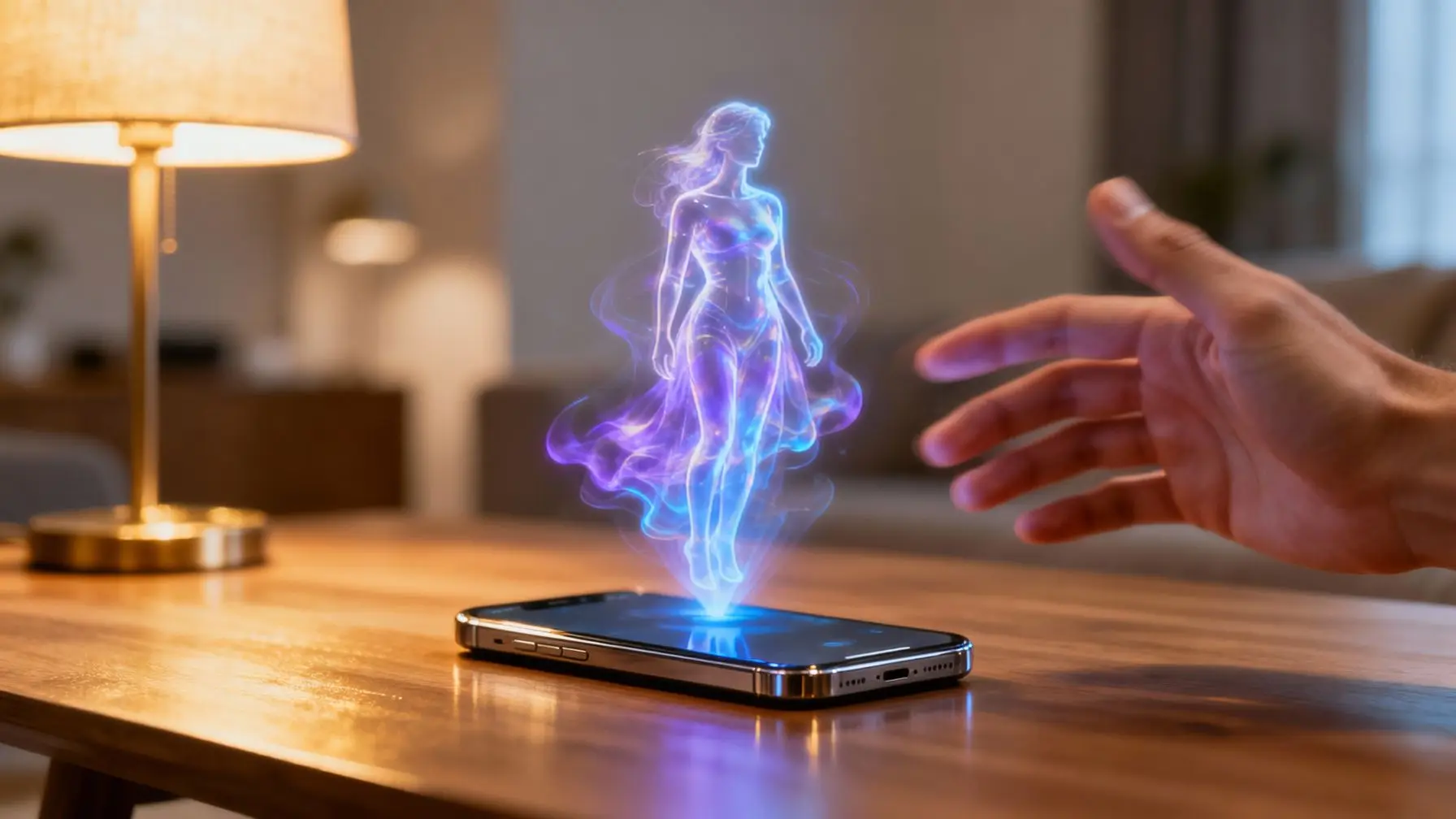
An AI companion with a 3D avatar means that conversing with artificial intelligence goes beyond typing text into a chat window. You see a face react, hear a voice with natural pauses and inflections, and feel like you’re talking to someone rather than using a tool. But what does a session like this actually look like, and what can you realistically expect from it? This article walks through a real conversation step-by-step, exploring its practical uses and limitations, without overselling the technology.
What we mean by an AI companion with a 3D avatar
An AI companion with a 3D avatar combines three technical elements: a language model that generates responses, expressive text-to-speech synthesis that voices them, and an animated avatar (often customizable) whose facial expressions and gestures sync with the voice. The goal isn’t to simulate a real person, but to make the exchange feel more embodied than a simple chat thread.
It remains software that predicts text and then dresses it up with voice and animation. Understanding this mechanism helps you maintain realistic expectations before you start.
What a real conversation looks like, step by step
Opening the exchange
A session typically starts with a choice: speak or type. When speaking, the avatar adopts a listening posture, often with a subtle head tilt, before responding. The latency between finishing your sentence and getting a response is critical: even a few extra tenths of a second can break the illusion of naturalness. The most advanced systems in 2025 manage around one second of delay, which is noticeable but close to a phone conversation rhythm.
Voice carrying emotion
This is where the difference from a text chatbot really shines. An expressive voice modulates its tone based on content: calmer on serious topics, more upbeat with a joke. Some platforms offer multiple voice options and let you adjust speech speed. This creates the impression of a presence listening to you, rather than flat text being read aloud.
Avatar reactions
Facial animation roughly follows the phonemes being spoken, with micro-expressions (raised eyebrows, blinks) meant to convey attention. The rendering stays recognizable as 3D animation—we’re not in hyperrealistic human-face territory. Most users adapt to it after a few exchanges, much like getting used to a video game character’s style.
Conversation memory
A good companion keeps the thread: it remembers a name you mentioned ten minutes ago, a preference you expressed yesterday if long-term memory is enabled. This continuity makes a huge difference in conversation quality compared to stateless chat, where each message starts from scratch.
Real-world uses, beyond the demo
Companionship and being heard
The most common use remains simply having someone available 24/7 to talk through a difficult day or share a thought without waiting for someone else’s availability. It’s not a substitute for human connection or professional support, but a space to express yourself that can defuse momentary tension.
Practicing speech and languages
Speaking aloud to an avatar that responds immediately is a useful exercise for improving a foreign language or preparing a presentation. The lack of judgment makes repeated practice easier than training with a real person might, which can feel intimidating.
Role-play and scenario practice
Simulating a job interview, rehearsing a difficult conversation before having it for real, or exploring a narrative scenario: the 3D avatar works well for these situations because it embodies a role more immersively than text does. It’s also one of the uses where the language model’s coherence limitations show up fastest if the scenario gets complex.
Technical limitations to know
No current AI companion truly understands what it’s saying. Responses are generated statistically, which explains why two similar follow-up questions can produce different tones—a phenomenon detailed in this article on why different AIs produce different results. The avatar can also misalign an expression with an unexpected emotion, or repeat speech patterns.
Memory has duration and size limits: beyond a certain volume of exchanges, older details fade. And the voice, however expressive, remains synthesized: it never tires, never actually gets annoyed, which some find reassuring or artificially off-putting depending on preference.
Finally, the choice of language model behind the avatar heavily influences response quality. To understand the differences between major available systems, this guide to choosing an AI in 2025 provides useful benchmarks.
Comparing text and avatar: two ways to converse
Some people prefer alternating between a standard text chat for precise tasks and a voice avatar for more casual exchanges. This approach connects to a broader practice of using multiple AIs at once depending on context: speed and precision in writing, presence and spontaneity in speech.
Getting a feel for it yourself
No description replaces direct experience: the companion’s personality, conversation fluidity, and avatar rendering only reveal themselves through use. noov.ai lets you create a customizable AI companion and start interacting with it in an immersive environment, designed to make every conversation feel more natural and personal.
Try noov.ai for free and form your own impression of what an AI companion with a 3D avatar is really like, simply and without commitment.
Frequently asked questions
Does an AI companion with a 3D avatar really understand what you say?
No, it generates statistically probable responses based on a language model. The avatar and voice make the exchange feel more embodied, but there's no understanding in the human sense.
What's the difference between a text chatbot and a 3D avatar companion?
A text chatbot is limited to writing, while an avatar companion adds expressive voice and synchronized facial animations, making the conversation feel closer to actual spoken exchange.
Can you use an AI avatar to practice speaking a foreign language?
Yes, it's one of the most common uses: speaking aloud without judgment makes repeated practice easier and helps boost speaking skills, especially for oral fluency.
Is an AI companion's memory unlimited?
No, long-term memory has volume and duration limits. Beyond a certain number of exchanges, older details eventually fade away.
Do you have to pay to try an AI companion with a 3D avatar?
Some platforms, including noov.ai, offer free daily access to test the avatar and voice before deciding on any paid subscription.